

Last Updated: November 19, 2026
Quick Summary
Weighted vest training can be safe for many healthy adults when the load is light and increased gradually. The research is promising but limited, and there is no established safe load or duration. People with back, neck, or joint problems should consult a clinician first.
- A 2026 mini-review of older adults used a 32-week protocol with vest load progressed to 10% of body mass.
- Begin at about 5% of body weight, walking on flat ground for 15-20 minutes two or three times weekly.
- Increase load in steps of 2-4 lb and hold each new load for at least two weeks.
- Change only one variable at a time: load, duration, or intensity, never all three in the same week.
- Stop and get symptoms checked if joint pain lasts more than a day or numbness or tingling appears.
Table of Contents
- What the Research Says About Weighted Vest Training Safety
- Potential Benefits and Their Limits
- Risks, Injuries, and Effects on Joints, Bones, and Muscles
- Weighted Vest Safety Tips for Beginners
- Are Weighted Vests Good for Walking?
- Are Weighted Vests Good for Running?
- How Long Is It Safe to Wear a Weighted Vest?
- Who Should Avoid Weighted Vests and What to Choose Instead
- Frequently Asked Questions
Weighted vest training can be safe for many healthy adults, but the answer depends on your health, the load you carry, and how you build up to it. The research so far is promising yet limited, and the evidence on injury risk is still thin. This guide focuses on what the evidence actually supports and where caution is warranted.
Weighted vests are a simple tool: added load on the torso that turns walking, rucking, or bodyweight work into a harder session. Whether that extra load is safe depends on the person wearing it. A conditioned athlete and a deconditioned older adult face very different risks.
What the Research Says About Weighted Vest Training Safety
Current studies point in a cautious direction. A 2026 mini-review of weighted-vest interventions in older adults describes one protocol running 32 weeks, with three sessions per week and vest load progressively increased to 10% of body mass. That gradual progression is the key detail. The review notes that evidence on psychological outcomes is limited and inconsistent. Weighted vest interventions in older adults mini-review
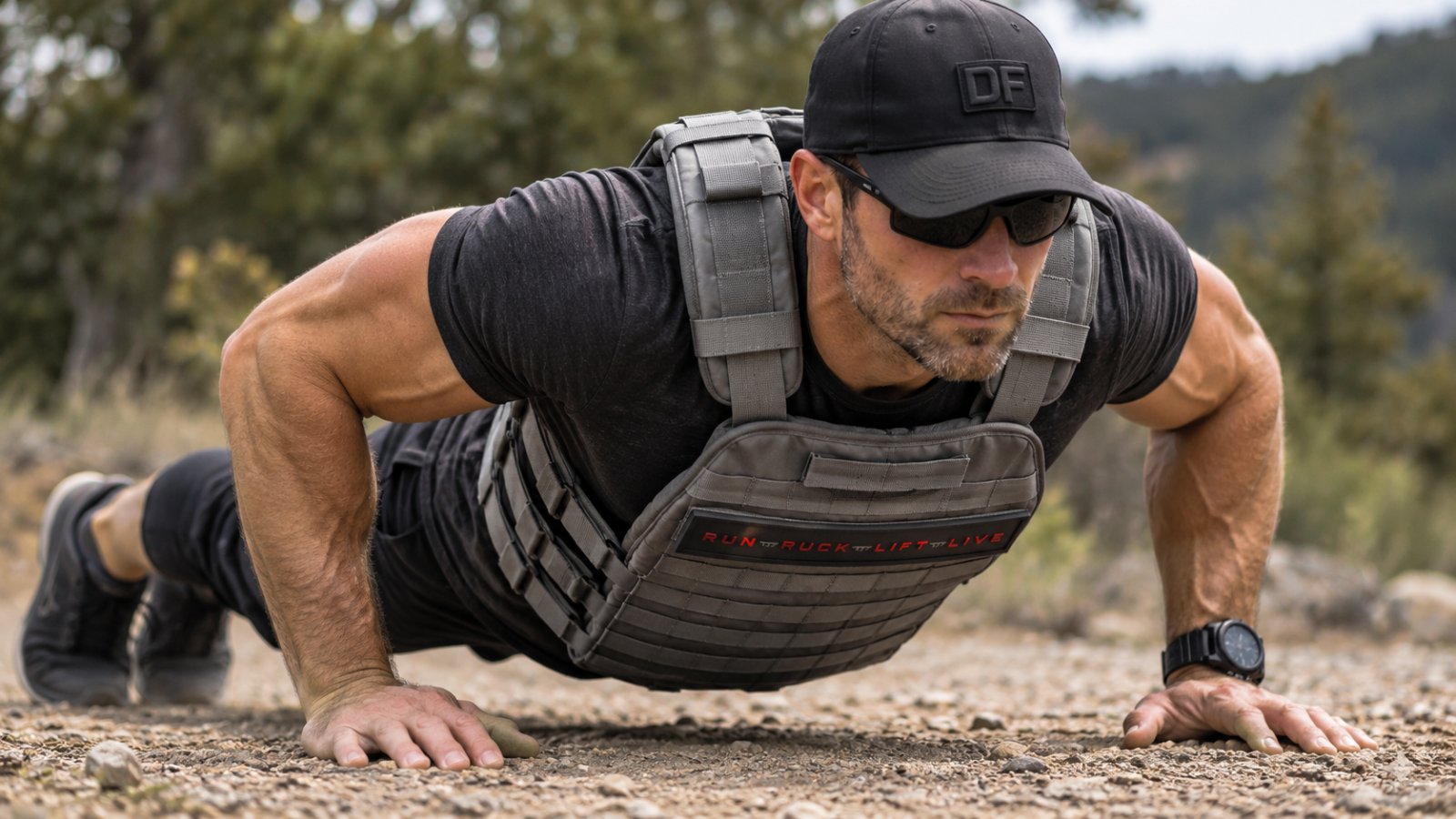
A separate 2025 study on balance found that weighted vests may not directly improve balance in the short term, though they could help as part of a broader training approach. Assessing the Impact of Wearing a Weighted Vest on Balance and Stability
The research does not yet establish a universal safe load or a quantified injury rate. Most of what we know comes from small, specific protocols.
Potential Benefits and Their Limits
Weighted vests can add resistance to walking and bodyweight work. Some studies have reported gains in physical performance with weighted-vest training, but they often lack sample size or adverse-event data, so treat the benefits as promising, not proven.
The benefits have limits. Added weight raises demand, which means more stress on joints and soft tissue, not just more muscle work. Progress depends on consistent, moderate loading rather than heavy vests used all at once.
Risks, Injuries, and Effects on Joints, Bones, and Muscles
The main risks are overload and poor fit, but the mechanism matters more than the warning. Extra weight on the torso raises the force your joints and soft tissues must absorb with every step, and it shifts your center of gravity forward and up. That combination is what turns a safe tool into an injury risk when load or volume climbs too fast.
Joints. Walking with added load increases ground-reaction forces at the knees, hips, and ankles. Running multiplies those forces because each stride already produces several times body weight in impact; adding a vest on top raises the peak force per stride and shortens the time your tissues have to adapt. A common pattern is shin splints, patellar pain, or hip discomfort appearing two to four weeks into a load increase, not on day one.
Bones. Weight-bearing exercise is generally good for bone density. But bone adapts slowly. Rapid load increases can outpace remodeling, which is why most practitioners recommend small, spaced increases rather than jumping to a heavier vest.
Muscles and posture. The trunk, hip, and calf muscles work harder to stabilize added load. If the vest sits loosely or the weight is concentrated in one pocket, the lower back and neck compensate, producing strain during fast movement or long sessions. A vest that pulls you into a forward hunch changes your gait and concentrates stress on the lumbar spine.
Exercise-specific risk. Risk is not uniform across activities. Walking is the lowest-impact option; stairs add eccentric load to the knees; bodyweight squats and lunges with a vest increase spinal compression; running and jumping carry the highest per-stride forces. High-impact training with a vest should be reserved for experienced trainees with a base of conditioning.
- Lower back and neck strain from heavy or poorly fitted vests
- Knee, hip, and ankle stress during running or jumping
- Shin splints or overuse injuries from rapid load increases
- Greater fall risk if balance is already impaired
Health authorities are clear on one point: people with existing injuries should be careful. UCLA Health advises that people with back or neck injuries should be very cautious, since added weight could increase risk. UCLA Health guidance on weighted vests
Watch out: if you feel joint pain that persists more than a day after a session, or numbness or tingling in your arms or legs, stop using the vest and have the symptom checked before resuming.
Weighted Vest Safety Tips for Beginners
Most beginners do well with a structured progression rather than general caution. The protocol below reflects common practice in the research and coaching literature; adjust it to your own tolerance and check with a clinician if you have any condition affected by added load.
Weeks 1-2: establish tolerance. Start with 5% of body weight (a 150 lb person uses about 7-8 lb) or the lightest vest setting available. Walk on flat ground for 15-20 minutes, two or three times per week, with at least one rest day between sessions. The goal is to finish each session feeling like you could have done more.
Weeks 3-4: build duration. Keep the same load and extend sessions to 25-30 minutes. Add a slight incline or a few short intervals only if posture stays upright and you feel no joint pain afterward.
Weeks 5-8: add load. Increase to 8-10% of body weight in small steps, typically 2-4 lb at a time, and hold each new load for at least two weeks before adding more. Train two or three times per week; more frequent sessions raise cumulative load without giving tissues time to adapt.
Progression rules. Increase one variable at a time: load, duration, or intensity, never all three in the same week. If a session leaves you sore for more than 24 hours, repeat the previous week's load before moving up. A 10% body-weight ceiling is often used as a conservative long-term target for general fitness, with higher loads reserved for conditioned trainees under supervision.
Exercise-specific guidance. Walking is the safest entry point. Stairs add knee load, so keep sessions short at first. Bodyweight squats and lunges with a vest increase spinal compression; keep the load light and the range of motion controlled. Running and jumping with a vest carry the highest per-stride forces and should wait until you have several months of pain-free weighted walking behind you.
Fit checklist. A safe vest sits snugly against the torso without restricting breathing or shoulder movement. Weight should be distributed evenly across the chest and back, not concentrated in one pocket. Check that you can raise your arms overhead and twist your torso without the vest shifting.
Warning signs and what to do. Sharp or radiating pain, numbness, tingling, unusual joint swelling, dizziness, or unusual shortness of breath are signals to stop and rest. Persistent pain after training means the load or volume was too high. Reduce the weight and consult a clinician before continuing. Altered gait, limping or hunching, is also a sign the load is beyond your current tolerance.
Watch out: if you find yourself holding your breath or bracing hard to stabilize the vest, the load is too heavy for that session; drop back to the previous weight.
The article's beginner progression can be summarised in a schedule a reader can scan.
| Stage | Load | Duration and frequency |
|---|---|---|
| Weeks 1-2: establish tolerance | 5% of body weight | 15-20 min, 2-3 times per week |
| Weeks 3-4: build duration | Same load | 25-30 min sessions |
| Weeks 5-8: add load | 8-10% of body weight | Add 2-4 lb steps, hold each load 2 weeks, 2-3 times per week |
| Long-term general fitness ceiling | About 10% of body weight | Higher loads only for conditioned trainees under supervision |
Are Weighted Vests Good for Walking?
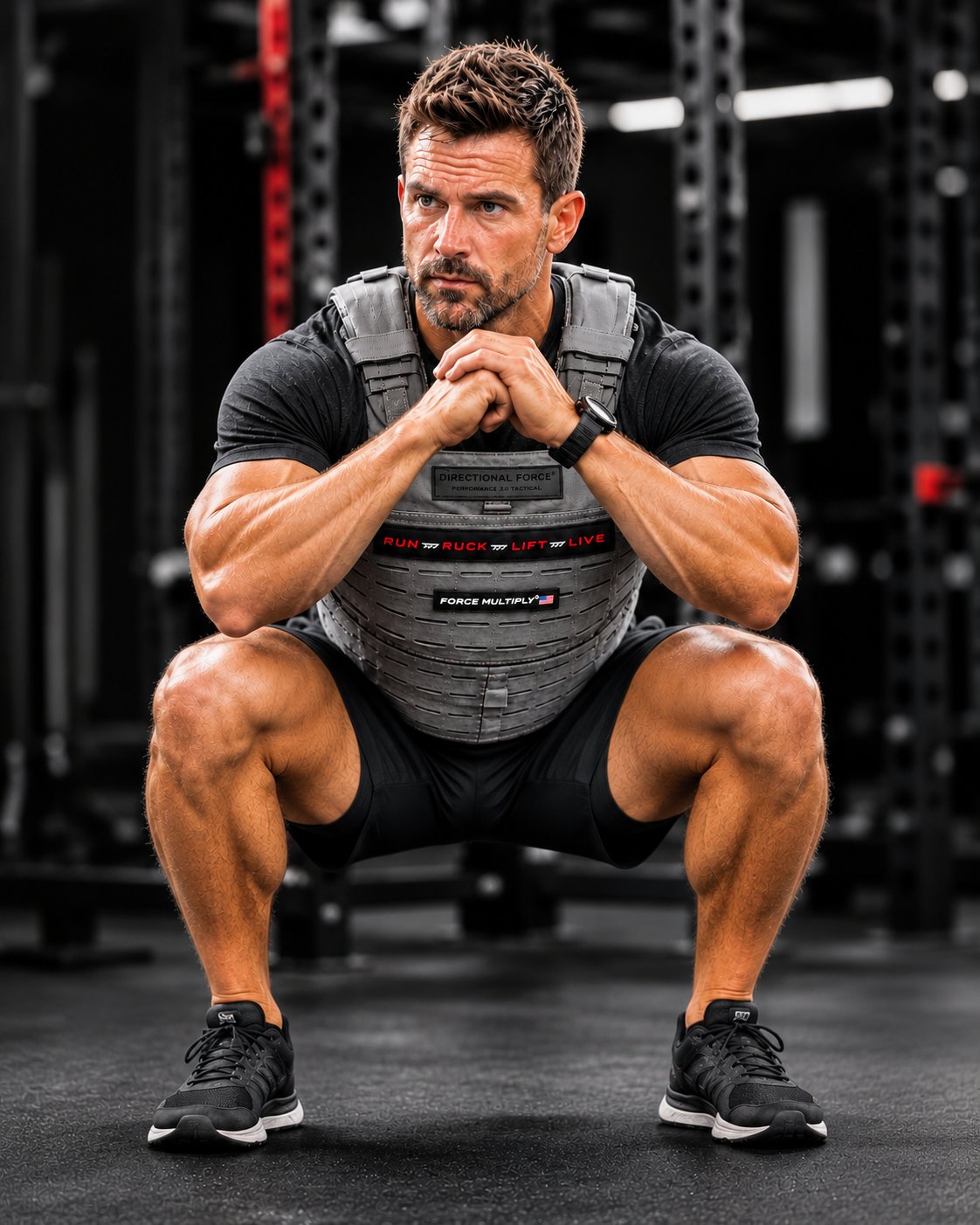
For most healthy adults, walking with a weighted vest is one of the lower-risk ways to add load. The main effect is more work for the legs, hips, and trunk at a moderate pace. Start with a light vest on flat ground and short distances. Watch your posture so the vest does not pull you forward or cause you to hunch.
Are Weighted Vests Good for Running?
Running adds impact, so the risk profile changes. Extra load multiplies the force through joints with each stride, which raises the chance of shin splints and other overuse injuries. If you run with a vest, keep the load light, shorten your runs at first, and avoid adding weight and speed at the same time.
How Long Is It Safe to Wear a Weighted Vest?
There is no established safe duration. Most training guidance builds gradually over weeks, not hours. A common approach is short sessions of 20 to 30 minutes at first, then longer sessions only when you feel no pain afterward. Remove the vest during rest or any activity where balance matters more than resistance.
Who Should Avoid Weighted Vests and What to Choose Instead
Anyone with a current back or neck injury, joint problems, balance disorders, heart conditions, or who is pregnant should check with a doctor first. Older adults with fall risk should also speak with a clinician before starting.
If a vest is not suitable, bodyweight training, resistance bands, or supervised strength work can provide similar benefits with less load on the spine and joints. If you still want a vest for pull-ups, compare five tested options for stability. For those who do use a vest, fit and progression matter more than the vest model.
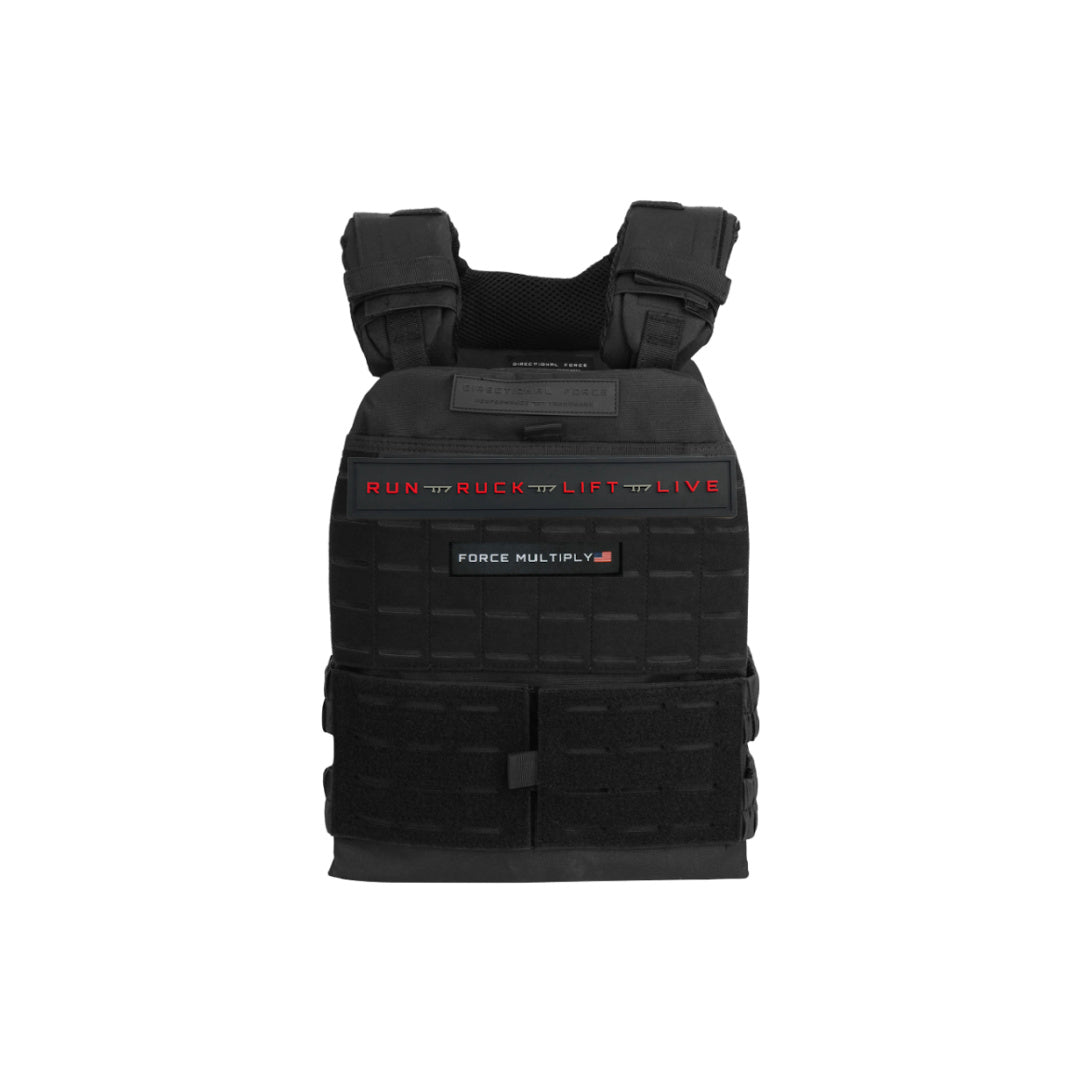
Weighted vest training can be a reasonable addition for many healthy people when loads are light and increases are gradual. Consult a healthcare professional if you have any condition that could be affected by added weight, and build up patiently. Directional Force offers the Centurion Low Pro, Centurion Gray Day, Centurion Stealth Gray Camo, and Zen-Cool vests for those ready to start, with the Zen-Cool available in 8, 12, and 16 lb weights.
Frequently Asked Questions
Is weighted vest training good for you?
It can be, for healthy adults who start light and progress gradually. Some research on older adults describes programs with gradually increased vest loads. The evidence supports careful use rather than a guaranteed benefit. Short-term balance gains are not established. Start with a light load, keep good form, and stop if you feel joint or back pain.
Can wearing a weighted vest cause back or joint pain?
It can, particularly if you add load too quickly or already have a back or neck injury. UCLA Health advises people with back or neck injuries to be very cautious, because added weight may increase risk. University of Florida reporting also says users should proceed with caution and that injuries can develop. If pain appears during or after wear, reduce the load, shorten sessions, and speak with a healthcare professional before continuing.
How much weight should a beginner use in a weighted vest?
Beginners should start at the lightest available load and increase slowly. The Centurion Low Pro line offers loads up to 60 lbs total, but a first session does not need near that. The Zen-Cool Cooling Hydrogel Weight Vest is available in 8 lbs, 12 lbs and 16 lbs versions, and the 8 lb option suits a first vest for walking and daily wear. Increase only when your form and comfort stay consistent across several sessions.
Are weighted vests safe for running?
Running adds impact on joints, so added weight raises the load on your knees, ankles and shins. People who already have shin splints or joint issues should be especially cautious, and no vest design has been shown to eliminate that risk. Many people start with walking before trying running in a vest, use a light load and keep runs short. Check with a clinician if you have any existing injury before adding a vest to running.
