

Last Updated: November 13, 2026
Quick Summary
Rucking for crossfit builds aerobic capacity, muscular endurance, and core strength while adding low-impact conditioning that spares your joints. It carries roughly six times lower injury risk than running and produces 60% less joint stress than jogging, so you can add conditioning volume without extra recovery debt. Start with 30 to 45 minutes at a conversational pace twice per week.
- Rucking burns two to three times more calories than regular walking, per Steps Club App.
- Start at 10% of body weight for the first two weeks, then progress load before distance.
- Keep hard rucks at least 48 hours away from heavy lower-body lifting sessions.
- Cap rucking at 20-30% of total weekly conditioning time during strength blocks.
- Schedule one long ruck per week with no headphones to build mental toughness.
Table of Contents
- Why CrossFit Athletes Are Adding Rucking to Their Training
- 7 Benefits of Rucking for CrossFit Athletes
- How Long Should You Ruck For?
- Benefits of Rucking vs Running for CrossFit Conditioning
- Choosing a Rucking Backpack for CrossFit Training
- Rucking for Mental Toughness: Building Resilience Between WODs
- Load Selection and Progressive Rucking Plan for CrossFit Athletes
- Build Your Ruck Setup with Directional Force
- Frequently Asked Questions
Why CrossFit Athletes Are Adding Rucking to Their Training
Rucking, which is walking with a weighted pack, is gaining ground among CrossFit athletes as a low-impact way to build aerobic capacity and work capacity without adding more pounding to their joints. This guide from Directional Force breaks down the benefits of rucking for CrossFit athletes, plus how to program it without wrecking recovery.
Here's the appeal in one line: rucking builds the engine CrossFit demands while sparing the joints that running punishes. A January 2026 analysis from Fitness Avenue's rucking statistics roundup reports that rucking carries roughly six times lower injury risk than running, with six times fewer injuries per hour.
CrossFit itself is well studied for fitness gains. A review in PubMed Central on CrossFit's development, benefits and risks reports that CrossFit training increases VO2max, strength, and endurance while improving body composition. The open question is whether rucking adds anything on top.
But first, here's what most guides get wrong: they sell rucking as a replacement for conditioning work. It isn't. It's a supplement that fills a specific gap.
7 Benefits of Rucking for CrossFit Athletes
Rucking supports CrossFit performance through seven main channels: aerobic capacity, muscular endurance, core and back strength, calorie burn, low-impact conditioning, real-world strength, and mental toughness. Each one targets a quality CrossFit tests in competition or training.
The list below covers what each benefit actually delivers, and where the evidence is thinner than the marketing suggests.
1. Aerobic Capacity and Heart Health
Rucking keeps the heart rate in the aerobic zone, which is where endurance gets built. A January 2026 piece from FitNKC on the backpack workout trend notes that rucking holds athletes in "aerobic zone 2," the intensity tied to endurance and metabolic efficiency.
For CrossFit athletes, that's the missing piece. Most WODs push into anaerobic territory. Zone 2 work builds the base that lets you recover between rounds.
2. Muscular Endurance and Work Capacity
Carrying load for distance trains muscles to keep working under sustained tension. That's different from the short, explosive efforts in a metcon. The result is better work capacity: the ability to keep moving when a workout stretches past ten minutes.
3. Core and Back Strength
A loaded pack pulls you backward. Your core and back fight that pull for every step. Over time, that bracing pattern carries into front squats, overhead work, and carries.
4. Calorie Expenditure and Fat Loss
Rucking burns more calories than plain walking. According to Steps Club App's rucking beginner guide, rucking burns two to three times more calories than regular walking. For athletes managing body composition without adding running volume, that's an efficient trade.
5. Low-Impact Conditioning
This is rucking's strongest card. A January 2026 report from Inspired by Sports on rucking as the honest workout states that rucking produces 60% less joint stress than jogging. Shin splints, cranky knees, and beat-up feet are common complaints in high-volume CrossFit blocks. Rucking delivers cardio without that bill.
6. Real-World Strength and Posture
Rucking trains the body to carry a load while moving, a pattern Ruck Authority's 2026 trend guide describes as functional movement. Rucking can reinforce upright posture and bracing under fatigue.
7. Mental Toughness Under Load
Long, boring, heavy walks build a specific kind of grit. There's no clock to chase and no crowd. Just you, the pack, and the distance. That resilience transfers to the last round of a chipper when your legs want to quit.
How Long Should You Ruck For?
Start with 30 to 45 minutes at a conversational pace, two times per week. Build to 60 to 90 minutes over eight to twelve weeks. Keep the load light enough that you could hold a conversation.
Here's the practical breakdown:
Experience Level |
Duration |
Frequency |
Load |
|---|---|---|---|
New to rucking |
20-30 min |
2x per week |
10% of body weight |
Comfortable |
45-60 min |
2x per week |
15-20% of body weight |
Experienced |
60-90 min |
1-2x per week |
20-30% of body weight |
Duration
A common mistake is going too heavy too soon. The first session feels easy. The second one doesn't. Add load before adding distance, and add both slowly.
Benefits of Rucking vs Running for CrossFit Conditioning
Rucking wins on joint stress and injury risk; running wins on time efficiency and top-end aerobic stimulus.
Running delivers more cardiovascular demand per minute. A 30-minute run at a moderate pace will push heart rate higher and produce more aerobic stimulus than a 30-minute ruck at the same perceived effort.
Use running when you need a quick, high-intensity aerobic hit, when your legs are fresh, or when you are training for a running-specific event.
Here is a concrete way to place them. In a strength-focused block, keep one short run for top-end aerobic maintenance and add two easy rucks for volume.
Measure the effect rather than assuming it. Track resting heart rate, pace at a fixed heart rate, and recovery between WOD rounds.
Athletes may notice changes in recovery between metcon rounds as they add easy rucks, which is a trackable signal worth watching.
Watch out: replacing all running with rucking can blunt top-end aerobic capacity over time.
Choosing a Rucking Backpack for CrossFit Training
A good rucking backpack for CrossFit needs three things: a secure plate pocket, padded straps that distribute load, and durable material that survives dynamic movement. Fitness-specific packs beat hiking packs because they hold weight high and tight against the back.
Look for these features:
- Padded plate pocket that keeps weight from shifting during movement
- Adjustable shoulder and waist straps for a custom fit
- Heavy-duty, water-resistant material that handles sweat and weather
- MOLLE webbing if you want to add hydration or accessories
- Top handle for presses, rows, and carries
If you're comparing beginner options before buying, this roundup of the 5 Best Rucking Backpacks for Beginners covers what to look for at each price point.
Rucking for Mental Toughness: Building Resilience Between WODs
Rucking for mental toughness works because it removes every distraction. No leaderboard, no music, no partner. Just a loaded pack and a distance to cover. That's a different kind of discomfort than a metcon, and it builds a different kind of resilience.
Try this: schedule one long ruck per week with no headphones. Keep the pace steady and the load moderate. When your mind starts negotiating for a break, note it and keep walking. That skill, staying with discomfort without panicking, is exactly what the last round of a WOD demands.
The thing nobody tells you about rucking is that the mental benefit shows up before the physical one.
Load Selection and Progressive Rucking Plan for CrossFit Athletes
Load selection is where most CrossFit athletes get rucking wrong. The pack feels light on day one, so they add weight, then add distance, then wonder why their squat session two days later feels heavy.
Start at 10% of body weight for the first two weeks. Add load only after two consecutive sessions at the same weight feel easy, meaning you could hold a conversation and your perceived exertion stays at or below 5 out of 10. Progress load before distance, and keep total weekly rucking volume below your running volume.
Here is a four-phase plan that fits around a normal CrossFit week:
- Weeks 1-2: Base. Two 30-minute rucks at 10% of body weight. Conversational pace. Schedule on rest days or after skill work, never before a heavy squat or deadlift session.
- Weeks 3-4: Build. Two 40-minute rucks at 10-15% of body weight. Add one hill segment per session. Keep these on days separated from high-volume metcons by at least 24 hours.
- Weeks 5-8: Load. Two 45-60 minute rucks at 15-20% of body weight. Keep one session flat and easy. If your legs feel heavy on lifting days, drop the load by 5% body weight for the week.
- Weeks 9-12: Peak. One 60-90 minute ruck at 20-25% of body weight, plus one short 30-minute session. Place the long ruck after your hardest training day, not before it.
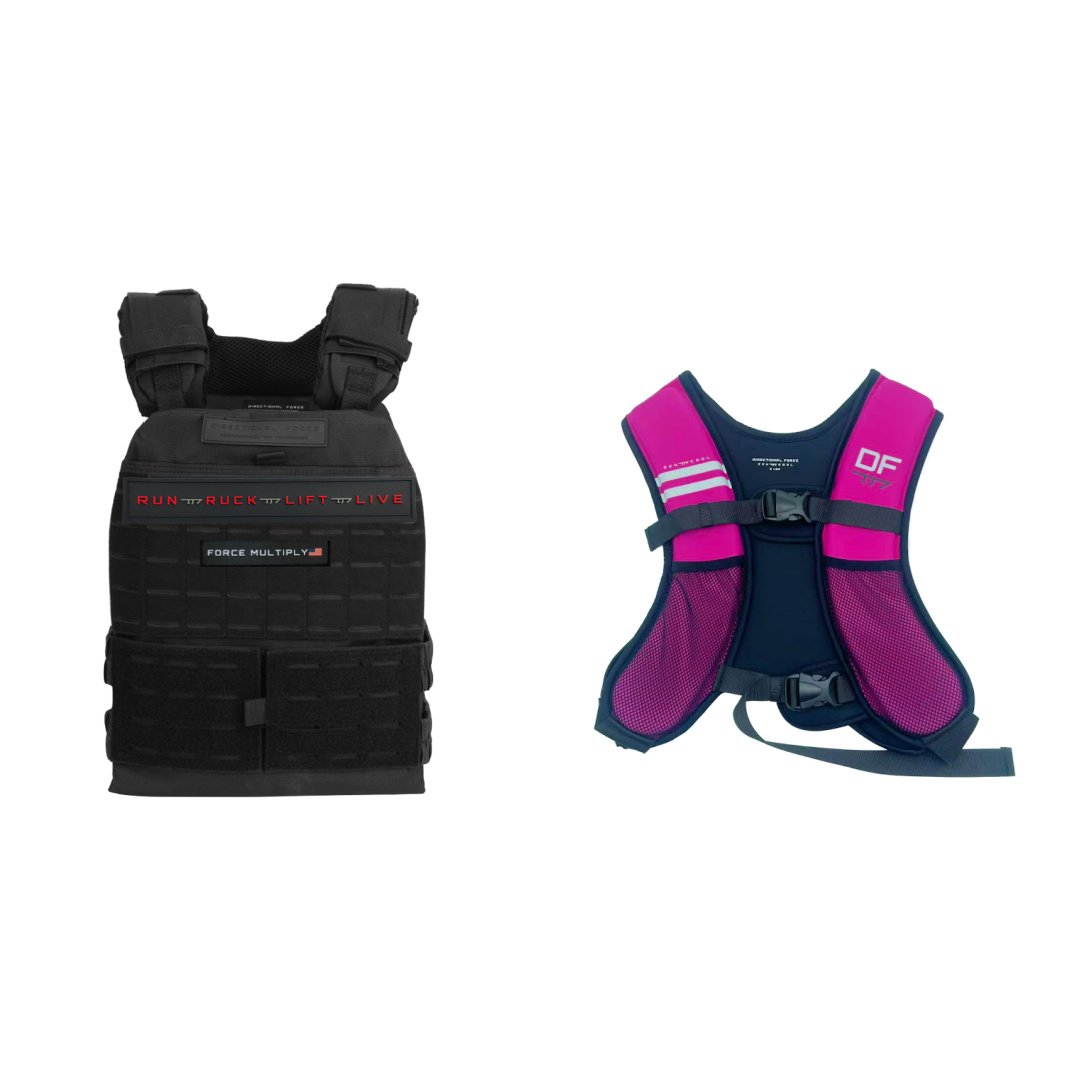
Programming trade-offs matter more than the plan itself. Rucking adds aerobic volume and time on feet, which can interfere with lifting recovery and high-intensity metcons if stacked poorly.
For progressive resistance beyond body weight, a Strength Trainer Sandbag 100 Lb gives you an adjustable load for rucks, carries, and WODs.
Track measurable outcomes so you know whether the plan is working. Log pace, average heart rate, distance, pack weight, and perceived exertion for each ruck.
Watch out: stacking heavy rucks on top of a high-volume metcon week is the fastest way to wreck recovery. Treat rucking as training load, not a bonus.
Build Your Ruck Setup with Directional Force
Directional Force builds ruck packs for athletes who train like the session matters, because it does. The Overwatch Ruck Pack - 45L is a 2-in-1 plate carrier and everyday backpack. It has a padded back pocket for American-made steel plates, padded shoulder and waist straps, and heavy-duty waterproof nylon.
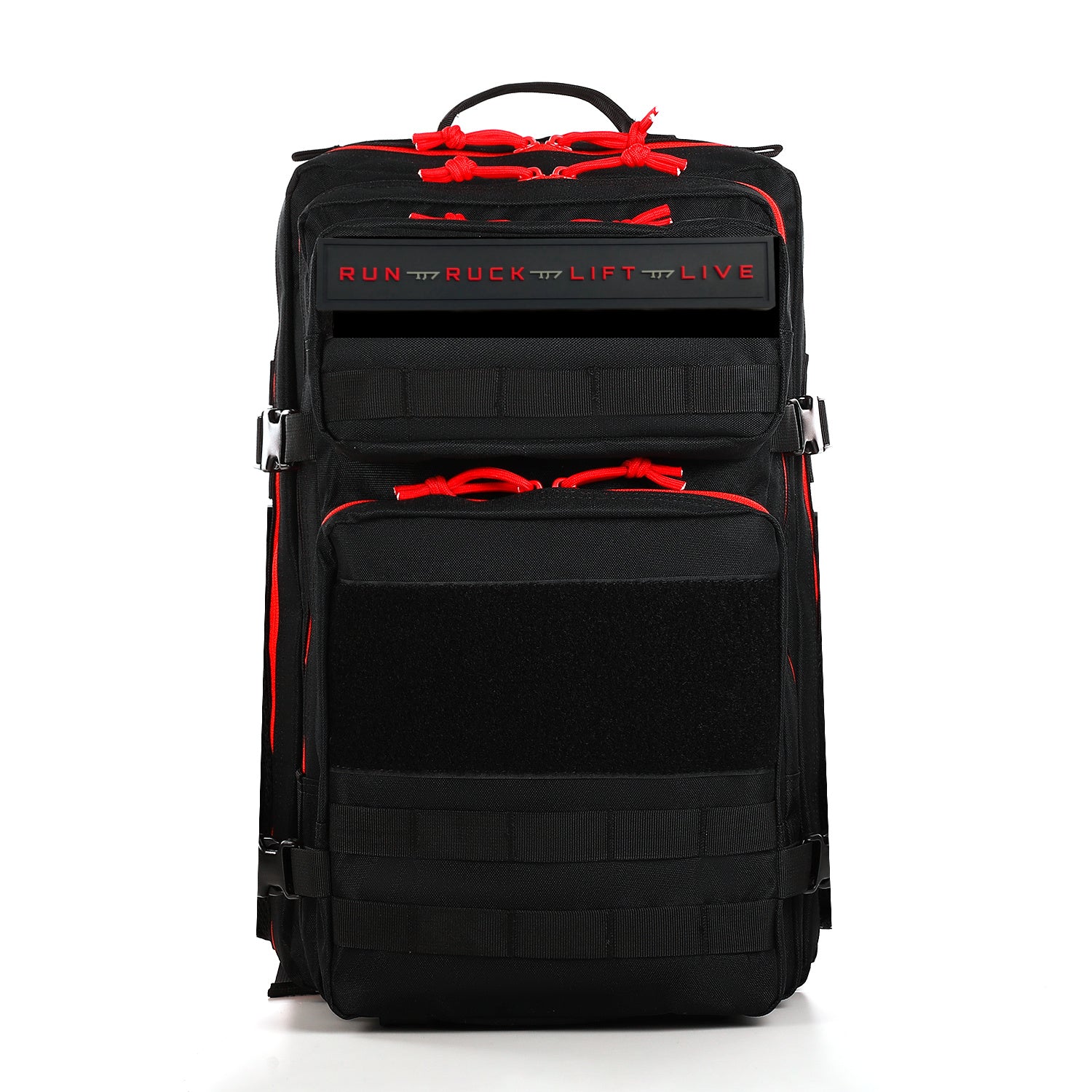
Three features that matter for CrossFit athletes:
- Plate carrier and backpack in one. Load it for rucks and bodyweight circuits, then pull the plates and use it as a daily carry.
- Reinforced top handle. Use it for overhead presses and rows, or wear it loaded for push-ups and pull-ups.
- MOLLE webbing. Attach the optional DF95 Molle Hydro-Pack for hands-free hydration on long rucks.
Directional Force gear is built for the gym, the field, and the street.
The real test of any training tool is whether it makes you better when it counts. Rucking won't replace your WODs, but it will build the engine that powers them. Directional Force makes ruck packs and plates built to take that work, session after session. Get started with Directional Force and put real load behind your conditioning.
Frequently Asked Questions
Can rucking improve CrossFit endurance?
Rucking keeps your heart rate in the aerobic zone 2 range, which builds the endurance base that supports high-intensity WODs. Rucking can support zone 2 training, the intensity tied to endurance. Start with 20-30 minute rucks at a conversational pace, twice per week, and keep the load light enough that you can speak in full sentences. This builds aerobic capacity without adding the joint stress of extra running volume.
Is rucking a good form of active recovery for CrossFit athletes?
Yes. Rucking is generally lower-impact than jogging, which can make it a gentler way to keep moving on recovery days. A 30-minute ruck at a easy pace with a light load (10-15% of body weight) promotes blood flow without the muscle damage of another metcon. Keep the effort conversational and avoid heavy loads the day before a competition or a high-volume squat session.
How often should CrossFit athletes ruck?
Start with two rucks per week, 20-40 minutes each, and add a third only when recovery stays stable. Use rucking for mental toughness on one longer weekly ruck (45-60 minutes) and keep the other sessions short and easy. If you are in a heavy competition block, replace one running session with a ruck to reduce joint impact while maintaining aerobic capacity. Track sleep and soreness; back off if either dips.
Is rucking better than running for CrossFit conditioning?
Neither is universally better. Rucking is generally considered lower in injury risk than running, and it burns more calories than regular walking. Running remains more specific to the run-heavy portions of some WODs. A practical split is one running session and one or two rucks per week, which keeps aerobic capacity high while sparing your shins and knees for the rest of your training.
