
Quick Summary
Durable weight plates for home gyms cost $74 to $1,799 in the Directional Force catalog, depending on weight and whether you buy singles, pairs or a full set. Start by knowing what you will actually lift, and confirm the sleeve size of your bar before you buy.
- Single Olympic Grip Plate 45LB lists at $124.99, and the 100LB version at $294.99.
- The Economy 300 Lb. Weight Set lists at $839.99 and includes a 700 lb capacity chrome bar.
- The Champion 500 Lb. Olympic Weight Set lists at $1,799.00 with a 1500 lb capacity bar.
- Steel vest and ruck plate pairs run from $74.00 for 10 lbs to $289.00 for 50 lbs.
- Confirm whether a listed weight is plate-only or combined load before you buy.
Table of Contents
- How Much Should You Expect to Pay for Durable Weight Plates?
- Quick Comparison of Directional Force Weight Plates
- What Weight Plates for Home Gym Use Actually Need to Do
- Cast Iron Weight Plates: Durability, Noise and Floor Impact
- Bumper Plates for Home Gym Floors and Drop Performance
- Building a Weight Plates Set That Fits Your Space and Budget
- Choosing Your First Durable Plate Setup Before You Order
- Frequently Asked Questions
How Much Should You Expect to Pay for Durable Weight Plates?
Durable weight plates for home gyms range from $74 to $1,799 in the Directional Force catalog, depending on weight and whether you buy singles, pairs or a full set. Choosing the right tier starts with knowing what you will actually lift.
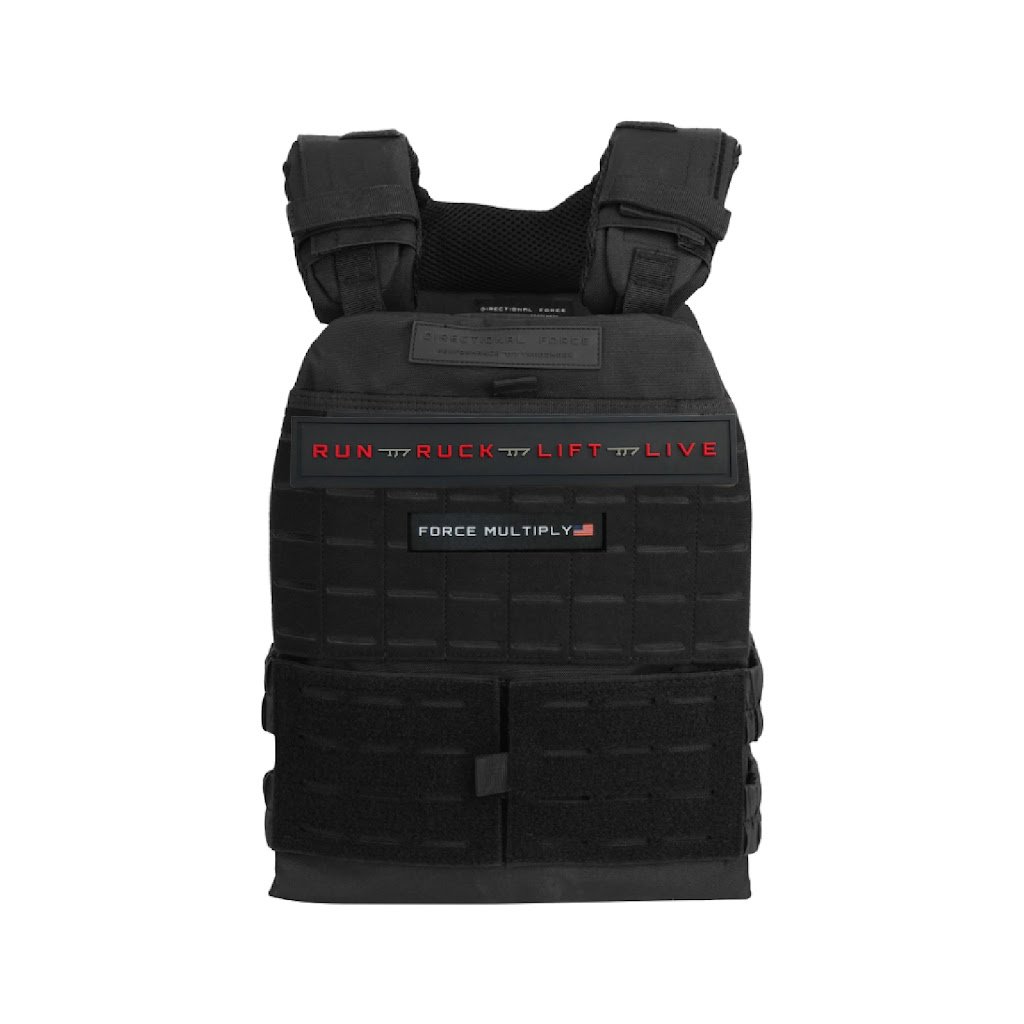
Single grip plates are the entry point. The Olympic Grip Plate 45LB is listed at $124.99, and the 100LB version at $294.99. Both carry a durable grey hammertone acrylic finish. The 100LB plate ships via freight truck.
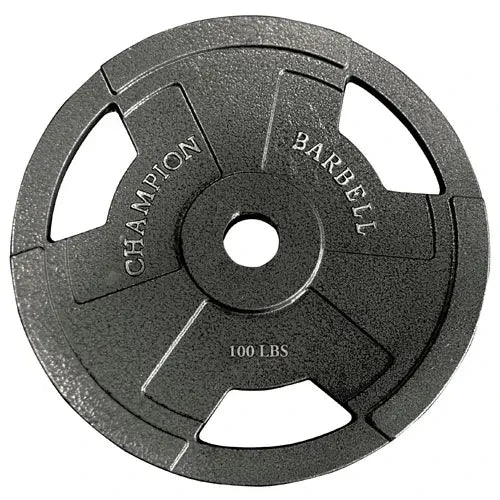
Full sets cost more but consolidate the purchase. The Economy 300 Lb. Weight Set lists at $839.99 and includes a 700 lb capacity chrome bar with spring collars. The Champion 500 Lb. Olympic Weight Set lists at $1,799.00 and includes a 1500 lb capacity black zinc plated bar. Buying a set avoids piecing together a bar, collars and plates separately.
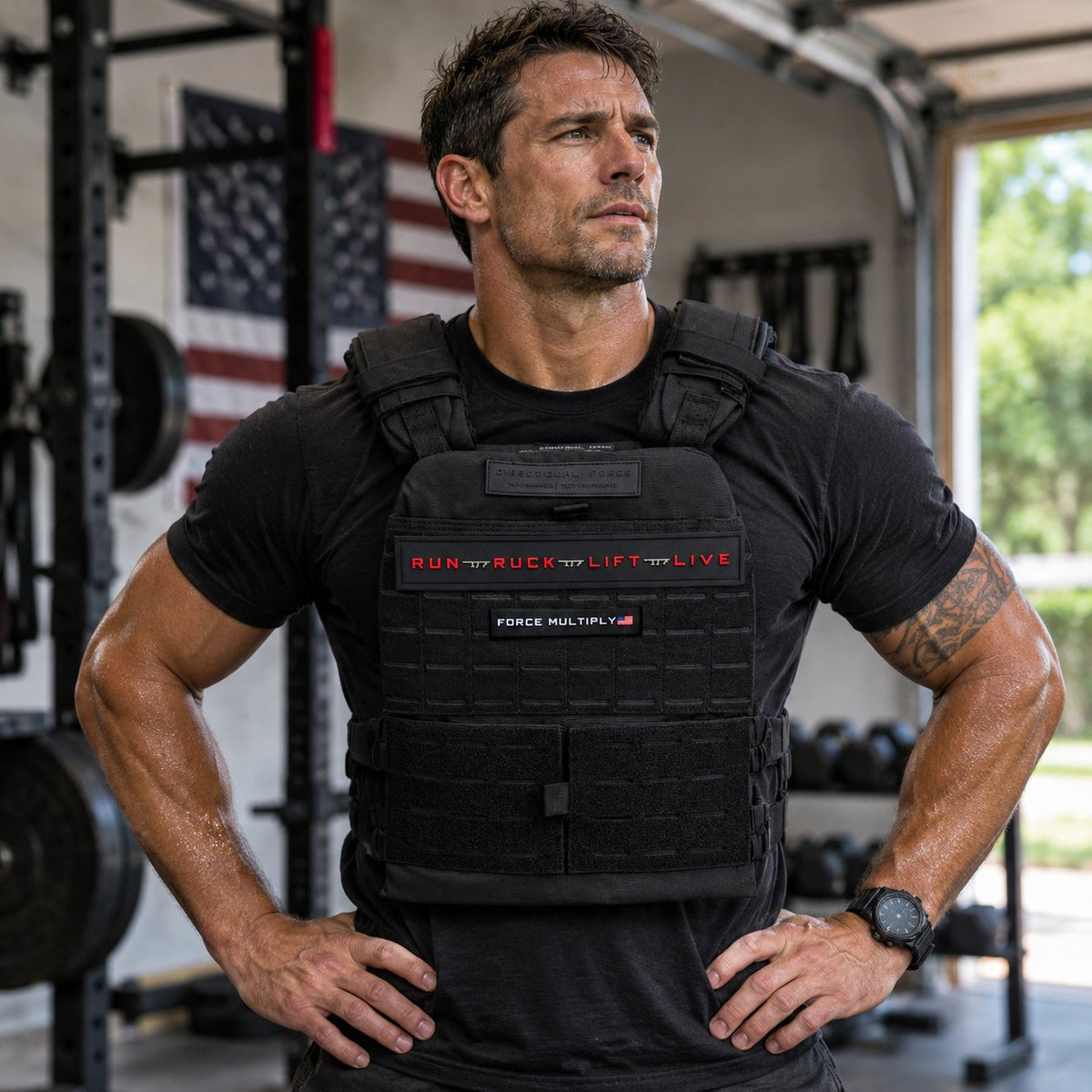
For weighted vests and ruck packs, the steel plate pairs run from $74.00 for 10 lbs to $289.00 for 50 lbs. These are a different category from barbell plates, and they are priced by total load rather than by plate weight.
Quick Comparison of Directional Force Weight Plates
The table below compares the Directional Force plates and sets on price, format and best use. Every figure comes from the product listings.
| Product | Price | Format | Best For |
|---|---|---|---|
| Olympic Grip Plate 45LB | $124.99 | Single plate | Adding to an existing Olympic bar |
| Olympic Grip Plate 100LB | $294.99 | Single plate | Heavy loading, freight delivery |
| Economy 300 Lb. Weight Set | $839.99 | Full set, 700 lb bar | Starting a home gym |
| Champion 500 Lb. Olympic Weight Set | $1,799.00 | Full set, 1500 lb bar | Large, serious home gym |
| Steel Plate Pair, 10 LB | $74.00 | Vest/pack pair | Light added resistance |
| Steel Plate Pair, 50 LB | $289.00 | Vest/pack pair | Heavy rucking and vest work |
Price
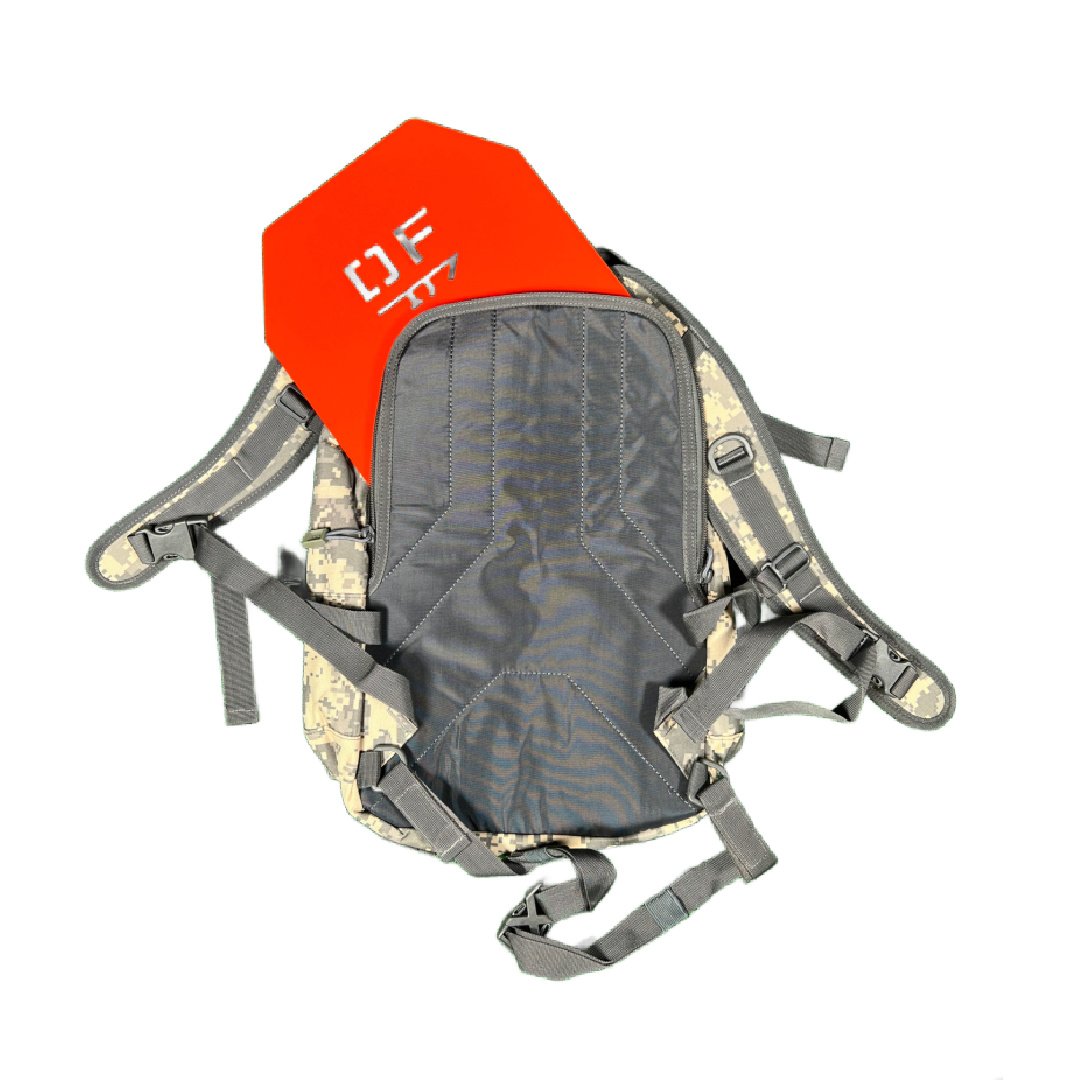
The steel vest and ruck plates are powder-coated steel plates designed for weight vests and ruck packs.
What Weight Plates for Home Gym Use Actually Need to Do
A home gym plate should hold its listed weight, fit the bar and stay easy to handle.
Fit is the non-negotiable starting point. The Economy 300 bar is listed at 28.5mm (1-1/8") diameter with 1.96" (50mm) sleeves. Confirm the sleeve size of any bar before you buy plates for it.
Weight accuracy also matters. The listings show plates marked in both pounds and kilos, which helps when you track progress in either unit. The steel vest plates list a set weight per plate, with the vest or pack total reported separately, so check whether a listing describes plate weight or combined load before you assume the number.
Durability means the finish and build hold up to use. The Olympic plates carry a durable grey hammertone acrylic finish. The steel vest plates use a laser-cut steel body with a powder-coated blue finish, described as rust-resistant.
Cast Iron Weight Plates: Durability, Noise and Floor Impact
Cast iron plates are the traditional workhorse for barbell training because they are dense, inexpensive per pound, and stable on the bar. Directional Force's Olympic grip plates have a grey hammertone acrylic finish.
Durability in cast iron is mostly about the finish and the hub, not the iron itself. A painted or hammertone coating protects against surface rust and chips at the edges where plates contact each other and the floor. Over months of home use, the common wear pattern is edge chipping and paint loss around the hub and outer rim, followed by surface rust in humid garages or basements. Hub loosening is rarer on solid cast plates than on multi-piece designs, but it does happen on inexpensive plates that see repeated drops. Inspect the hub-to-plate seam on arrival and after the first few months of use.
Noise and floor impact are the practical trade-offs. Dropping a bare metal plate on concrete is loud enough to travel through shared walls and floors, and the impact can crack concrete, dent wood platforms, and chip the plate itself. Most practitioners find that a 3/4-inch or thicker rubber mat under the lifting area is the minimum for controlled sets, while a dedicated plywood-and-rubber platform is the better choice if you plan to drop from waist height or above. For apartments and shared walls, cast iron is the harder material to soundproof because the mass transmits impact rather than absorbing it.
Cast iron's density is also a space advantage. The same weight takes up less diameter and thickness than rubber, which matters on a loaded bar and in a small storage area. The 100LB grip plate is still a substantial single item to lift and position, so plan storage at waist height rather than on the floor.
Watch out: buying cast iron for a second-floor apartment without a platform and mats is the most common route to neighbor complaints and floor damage, and no finish makes a dropped metal plate quiet.
Bumper Plates for Home Gym Floors and Drop Performance
Bumper plates are built around a rubber or urethane body that absorbs impact, which is why they are the default choice for Olympic lifting, high-volume metcons, and any training where the bar leaves your hands. The rubber compresses on contact, spreading the force over a longer time and a wider area than a metal plate, which protects the floor, reduces noise, and lets you release the bar safely.
Drop performance is not one number. A bumper's behavior depends on its durometer (rubber hardness), diameter, and hub construction. Softer bumpers absorb more energy and bounce less but wear faster at the hub; harder bumpers last longer and bounce more. A common pattern in home gyms is a moderate-durometer bumper that stays predictable on a platform without rebounding into shins. Directional Force's listed Olympic plates are grip plates, not bumpers, and the catalog does not publish a drop rating or rubber content, so confirm the drop specification with the seller before assuming bumper performance from appearance.
Flooring and neighbor impact are where bumper choice actually gets decided. On a concrete slab in a garage, a 3/4-inch rubber mat is often enough for controlled drops from waist height, while a plywood-and-rubber platform is the better base for repeated overhead drops. In an apartment or over a shared wall, even bumpers transmit low-frequency thuds through the structure; a platform plus mats and a ground-floor location are the realistic combination. Bumper plates reduce noise compared with iron but do not eliminate it.
Long-term durability is the angle most buying guides skip. Across extended home use, bumpers tend to fail at the hub insert and the outer edge rather than the rubber face: the steel insert can loosen, and repeated drops on abrasive surfaces can scuff or crack the rubber. Inspect the hub seam and rim after the first months of use, and store bumpers flat rather than leaning to avoid warping.
Watch out: buying bumpers for a second-floor apartment without a platform and mats still produces neighbor complaints, because the impact travels through the building structure rather than the plate.
Building a Weight Plates Set That Fits Your Space and Budget
Build your set around the weights you will use most. Single plates such as the 45LB or 100LB Olympic Grip Plate can be added later.
Space is the other constraint. Each plate takes up storage width along the bar, and a full Olympic set needs room for the bar and collars. The Champion 500 Lb. set includes 22 plates, which is a significant footprint. The Economy 300 set with 14 plates is more compact. Measure your storage space before ordering, and plan for the full length of the bar when fully loaded.
The Economy 300 Lb. Weight Set at $839.99 includes a bar with spring collars.
Choosing Your First Durable Plate Setup Before You Order
Start with three questions. What weights will you lift in the next six months? Does your bar match the plate sleeve size? Where will the plates be stored and loaded?
If you want a ready-to-use barbell system, a complete Olympic set is one option. The Economy 300 Lb. Weight Set and the Champion 500 Lb. Olympic Weight Set are available. If you already own a bar, buy individual Olympic grip plates to match your progression.
If your training is weighted carry or rucking, the steel vest and ruck plates are the right category. Choose the pair weight that matches your current load, and remember that the listed total includes the vest or pack.
Before you buy, check the sleeve size, and confirm whether the listed weight is plate-only or combined.
Frequently Asked Questions
What weight plates are best for a home gym?
Directional Force sells Olympic Grip Plates in 45 lb and 100 lb sizes, and steel plates for vests and ruck packs in 10 lb to 50 lb pairs. Match the plate type to your lifts before you buy a full set.
Are bumper plates more durable than iron plates?
Bumper plates generally hold up better to impact because the rubber absorbs the force of dropped loads, which protects both the plate and the floor. Iron plates handle drops poorly and can chip or crack the floor and the plate edges. Iron plates are not necessarily less durable in a static sense, though, and they tolerate rough handling without rubber wear. If you plan to drop weights often, bumper plates are the more durable choice for a home gym.
What should I look for when buying weight plates for a home gym?
Check the plate weight and the finish. Look at whether the coating is acrylic hammertone, as on the Olympic Grip Plates, and consider how many plates you need to reach your target load.
What weight plate set should I buy for a home gym?
A starter set for a home gym usually covers a range of plate sizes so you can add load in small steps. The Economy 300 lb Weight Set includes 45 lb, 35 lb, 25 lb, 10 lb, 5 lb and 2.5 lb Olympic grip plates with a 700 lb capacity bar. The Champion 500 lb Olympic Weight Set includes 22 grip plates and a 1500 lb capacity bar. Choose a set based on the training you plan to do and the total load you expect to lift.
