
Last Updated: November 26, 2026
Quick Summary
A ruck backpack with plate retention system uses a dedicated, padded pocket that holds a steel plate tight against your back instead of letting it slide around the main compartment. The padding holds the plate in place and keeps it off your back, so the weight stays where your frame can carry it.
- Load the plate flat against your back panel, centred between your shoulder blades, then cinch the shoulder and sternum straps.
- Jog ten steps and check for movement before you load more weight.
- Keep the plate low in the pocket; loading above shoulder height strains the lumbar spine.
- A dull thud or rhythmic push against your back means the plate is moving inside the pocket.
- Directional Force steel plates measure 10.75 inches tall, 10 inches wide, and 0.135 inches thick.
Table of Contents
- What is a ruck backpack with plate retention system?
- How a padded plate pocket differs from a loose compartment
- How to secure a weight plate in a backpack
- Rucking backpack vs. plate carrier: which fits your training
- The best rucking backpack for weight plates in the Directional Force lineup
- Plate compatibility and dimensions to check before you buy
- Comfort under load: straps, back panel, and ergonomic fit
- Build your ruck setup with Directional Force
- Frequently Asked Questions
What is a ruck backpack with plate retention system?
A ruck backpack with plate retention system is a weighted training pack built with a dedicated, padded pocket that holds a steel plate tight against your back instead of letting it slide around inside the main compartment.
The retention system matters more than most buyers realize. A plate that shifts on every stride pulls the load off your spine alignment and turns a controlled walk into a fight with your own gear.
Below, we break down how retention works, how to load a plate so it does not bounce, and which pack in the Directional Force lineup fits your training.
How a padded plate pocket differs from a loose compartment
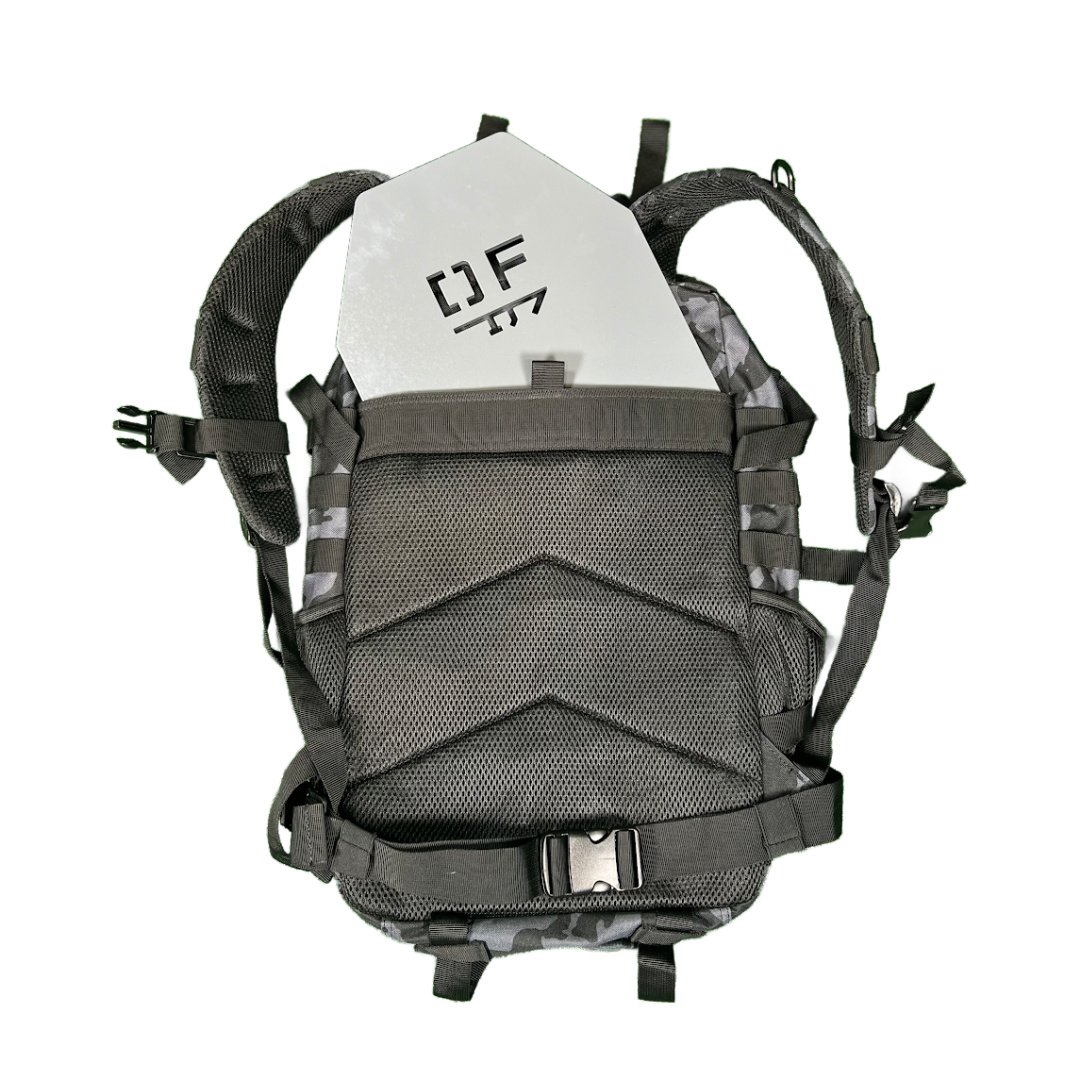
A padded plate pocket holds the plate against the back panel with cushioning on both faces.
Most packs sold as "rucking-ready" have a large main compartment and nothing else. Drop a plate in and it migrates to the bottom within a few hundred metres.
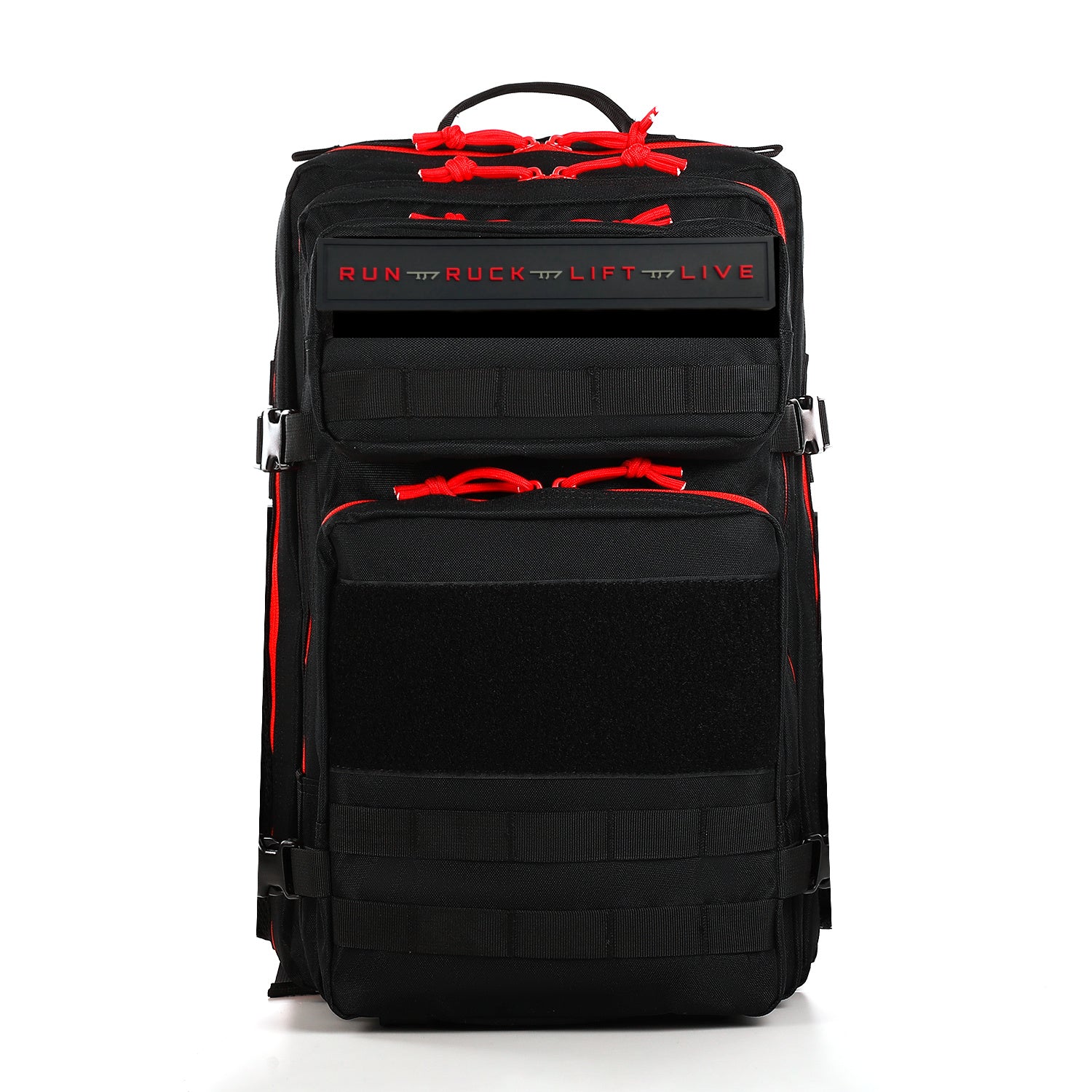
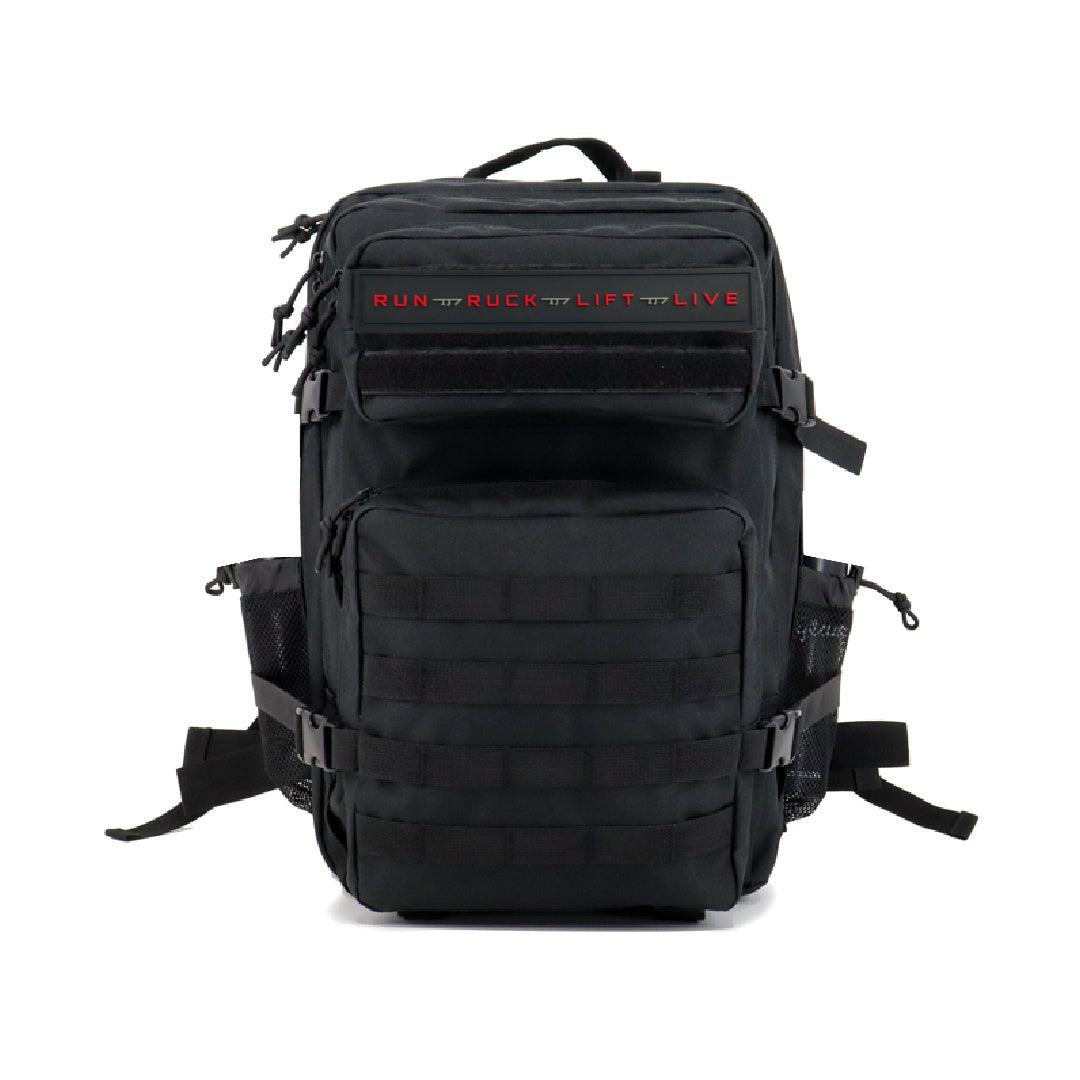
The Motivator Ruck Pack uses large padded plate pockets plus an internal compartment for extra plates. The Overwatch Ruck Pack and the D1 Quantum and Legio packs use a padded back pocket.
The practical test is simple. Load the pack, tighten the straps, and jog ten steps. If you feel the plate shift, the retention is not doing its job.
How to secure a weight plate in a backpack
Securing a weight plate starts with the right pocket, not the right technique. Slide the plate into the padded sleeve so it sits flat against your back panel, centred between your shoulder blades, then cinch the shoulder and sternum straps before you take a step.
Durable Weight Plates for Home Gyms: What to Buy
Step-by-step loading for zero plate bounce
- Empty the main compartment so nothing presses on the retention pocket.
- Slide the plate into the padded pocket, flat side against your back, top edge level with your shoulder blades.
- Press the plate down until it seats at the base of the pocket.
- Tighten the shoulder straps until the pack sits high and close to your torso.
- Clip and adjust the sternum strap to pull the load inward.
- Jog ten steps and check for movement before you load more weight.
Watch out: loading a plate above shoulder height pushes the centre of gravity up and back, which strains the lumbar spine on longer walks. Keep the plate low in the pocket.
How to test retention during movement
A plate that feels secure standing still can still bounce on the move. Test retention in three stages before you trust the setup on a long ruck.
Walking test. Walk at a normal pace for two minutes. Listen for a dull thud or feel for a rhythmic push against your back. Any repeated impact means the plate is moving inside the pocket.
Running and direction-change test. Jog ten steps, then make two or three sharp turns. A retained plate stays centred; a loose plate swings to the outside of the turn and you feel it lag behind your torso.
Downhill test. Walk down a slope or stairs. This is where a loose plate slides forward and slams into your spine.
A common pattern is that noise is the first sign of poor retention.
Retention mechanisms and their trade-offs
Padded pockets hold the plate against the back panel. Some packs add a closure strap or tab across the opening for extra security.
For a fuller setup, the How To Build A Rucking Kit guide covers the accessories that stop a load from shifting.
Rucking backpack vs. plate carrier: which fits your training
A rucking backpack suits walking, hiking, and everyday carry; a plate carrier suits bodyweight circuits, sprints, and lifting.
Rucks distribute weight across shoulder and waist straps, which helps with longer weighted walks. Plate carriers sit tighter to the chest and leave your arms free for pull-ups, push-ups, and overhead work.
The Overwatch Ruck Pack converts into an everyday backpack once you pull the plates, and its top handle supports overhead presses and rows.
If you are weighing beginner pack options, the 5 Best Rucking Backpacks for Beginners comparison ranks comfort, capacity, and plate-ready design side by side. For plate carrier work at home, the 7 Steps to Train With a Weight Vest at Home guide walks through fitting, loading, and progression.
Best for: distance rucking, trail walking, and commuting with a plate. Skip if: your training is entirely indoor circuits with no walking component.
The best rucking backpack for weight plates in the Directional Force lineup
The best rucking backpack for weight plates depends on your load and your budget, and the Directional Force lineup covers four price points with the same retention principle. Every pack below uses a padded plate pocket and adjustable straps.
Pack |
Price |
Capacity |
Retention setup |
Best for |
|---|---|---|---|---|
Overwatch Ruck Pack - 45L |
$105 |
45L (19" x 12") |
Padded back pocket |
Best value all-rounder |
$85 |
45L |
Padded plate pocket |
Lowest entry price |
|
The Motivator Ruck Pack |
$145 |
45L (19" x 12") |
Large padded pockets plus internal compartment |
Heaviest loads |
D1 Quantum Series Ruck-Backpack |
$179 |
45L (19" x 12") |
Padded plate pocket |
Premium build and finish |
Price
The Overwatch Ruck Pack is the pick for most people. It runs $105, carries 45L, and uses heavy-duty waterproof nylon with padded shoulder and waist straps.
The Motivator Ruck Pack is the one to choose if you want to stack load.
The D1 Quantum Series at $179 is the premium option, with waterproof Oxford polyester, MOLLE webbing on the front and sides, and FAA overhead compliance for travel.
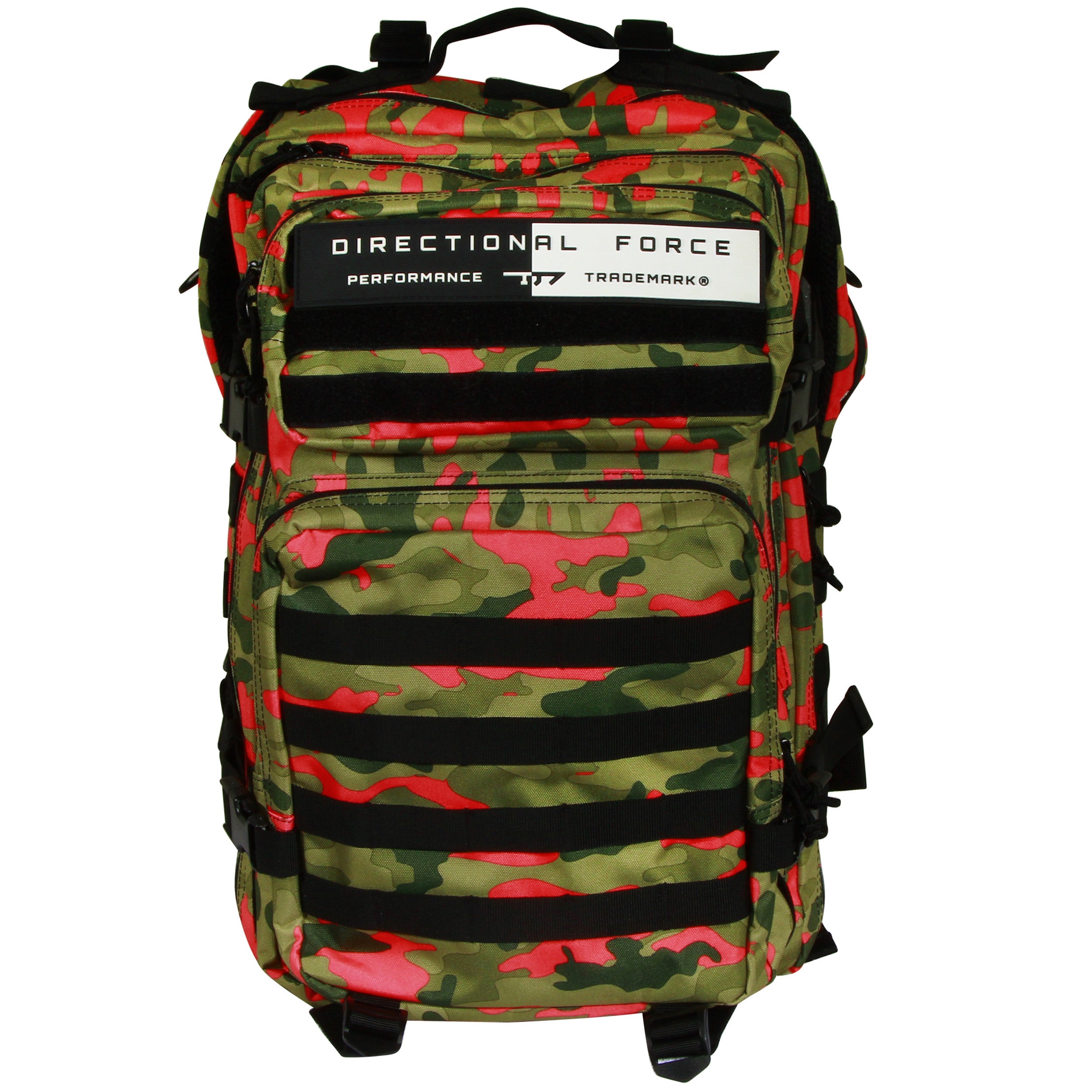
The Legio Pink Camo at $85 is the budget alternative that keeps the padded plate pocket intact.
Pair any of them with the Weight Vest Plates collection to match your chosen load.
Plate compatibility and dimensions to check before you buy
Plate compatibility comes down to three numbers: plate height, plate width, and pocket depth. Directional Force steel plates measure 10.75 inches tall, 10 inches wide, and 0.135 inches thick, and are designed to fit into a wide range of weight vests and ruck packs. But if you already own plates or are buying third-party plates, you need a repeatable way to check fit before you order.
A practical sizing method for any plate
Use this three-step check with a tape measure and the plate you intend to carry.
- Measure the plate itself. Record height, width, and thickness at the thickest point. Do not trust the label; some plates vary by a quarter inch or more.
- Measure the pocket opening. With the pack empty, measure the padded pocket opening from seam to seam at the top, and measure pocket depth from the top edge to the bottom seam. The plate should slide in without forcing the padding.
- Check clearance. You want at least half an inch of pocket width beyond the plate width so the plate seats flat rather than wedging. For height, the plate should sit fully inside the pocket with the top edge at or below your shoulder blades when the pack is worn.
A common pattern is that a plate which is too tall rides above the shoulder blades and shifts the load upward, while a plate that is too thick compresses the padding and reduces the cushioning that stops bounce.
Standard and nonstandard plates
Most steel rucking plates follow a 10-inch by 10.75-inch footprint, but shapes vary. Rounded-corner training plates seat more cleanly than square-cut plates in a padded sleeve because the corners do not catch on the pocket seams.
Thickness matters more than many buyers expect. A 0.135-inch plate slides easily into a padded pocket. Thicker plates, including some cast plates, can compress the padding enough that the retention feel changes. If you plan to stack plates, measure the combined thickness against the pocket depth and leave room for the padding to do its job.
Verify fit before you buy
Before ordering a pack for plates you already own, compare your plate measurements to the pack's stated pocket dimensions.
For Directional Force packs, the 19" x 12" footprint is listed as the pack size. The 50 LB pair is listed as 23.75 lbs per plate, with a total of 50 lbs for the vest or pack combined.
These plates are training weights only and carry no ballistic properties. They are not body armor.
Before buying, the Buy Heavy Duty Rucking Plates Online guide explains how to match heavy-duty plates to your pack.
Comfort under load: straps, back panel, and ergonomic fit
Comfort under load is decided by four contact points: shoulder straps, sternum strap, waist strap, and back panel. Get those right and a heavy pack feels manageable; get them wrong and even a light plate digs in.
Adjustable shoulder straps carry the vertical load and should sit high and close to your torso, not sag toward your hips. The sternum strap pulls the shoulder straps inward to stop them spreading under weight.
Ergonomic fit varies by body type and torso length. A shorter torso needs the pack riding higher so the plate sits between the shoulder blades rather than at the lumbar spine.
A common mistake is overtightening the shoulder straps to compensate for a loose waist strap. That drives the load into your collarbones and leaves the hips doing nothing.
Durability ties into comfort too.
Build your ruck setup with Directional Force
Building a ruck setup that holds its shape under load takes three decisions: the pack, the plate, and the straps that tie them together. Get the retention right and every other choice gets easier.
That is the standard Directional Force builds to.
Start with one pack and one plate, load it properly, and add weight only when the current load feels stable. Get started with Directional Force and build a ruck setup that carries the weight instead of fighting it.
Frequently Asked Questions
What is a plate retention system in a rucking backpack?
It is the padded pocket or sleeve built into the back panel that holds a weight plate against your spine and stops it shifting during movement. A good ruck backpack with plate retention system keeps the load high and tight, so the plate does not bounce when you walk, run, or drop into push-ups. The Motivator Ruck Pack, for example, has large padded plate pockets plus an internal compartment for extra plates.
How do you keep a weight plate from moving inside a ruck backpack?
Seat the plate fully into the padded back pocket, then tighten the shoulder and waist straps so the pack sits high on your back. If your pack has an internal compartment, stack extra plates there rather than loose in the main body. Directional Force steel plates measure 10.75 inches tall by 10 inches wide by 0.135 inches thick.
Are rucking backpacks or plate carriers better for weighted training?
A rucking backpack carries plates plus daily gear and converts to a normal pack when you pull the weight out, which suits commuters and hybrid training. A plate carrier sits closer to the torso with less storage, which suits pure conditioning work. If you want one piece of gear for rucking, bodyweight circuits, and travel, a ruck backpack with a dedicated plate pocket covers more ground.
Can you use a regular backpack for rucking with weight plates?
You can, but a standard backpack has no padded plate pocket, so steel shifts against your spine and the seams take uneven stress. A dedicated ruck pack places the weight in a reinforced compartment with padded straps and a waist belt to distribute load. The Overwatch Ruck Pack at 45L has a padded back pocket with padded shoulder and waist straps.
